

Indoor Air Quality
According to the United States Department of Labor Occupational Safety and Health Administration (OSHA), The quality of indoor air inside offices, schools, and other workplaces is important not only for workers' comfort but also for their health. Poor indoor air quality (IAQ) has been tied to symptoms like headaches, fatigue, trouble concentrating, and irritation of the eyes, nose, throat and lungs. Also, some specific diseases have been linked to specific air contaminants or indoor environments, like asthma with damp indoor environments. In addition, some exposures, such as asbestos and radon, do not cause immediate symptoms but can lead to cancer after many years.
These factors include poor ventilation (lack of outside air), problems controlling temperature, high or low humidity, recent remodeling, and other activities in or near a building that can affect the fresh air coming into the building. Sometimes, specific contaminants like dust from construction or renovation, mold, cleaning supplies, pesticides, or other airborne chemicals (including small amounts of chemicals released as a gas over time) may cause poor IAQ.
Checking & Maintenance
Since the outbreak of COVID-19, more business owners and managers are looking at the relationship between indoor air quality, HVAC systems, and employees’ health. OSHA (Occupational Safety & Health Administration) lists inadequate HVAC maintenance as a major cause of poor indoor air quality. OSHA claims poor indoor air quality can cause headaches, fatigue, concentration problems, skin rashes, and eye, nose, throat and lung irritation.
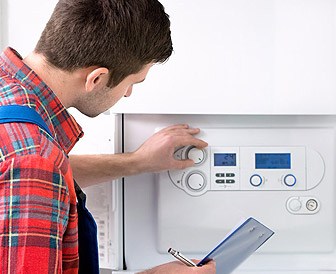
Investing in routine maintenance will help safeguard your air quality and can prevent any source of contaminants from circulating throughout your building through your HVAC system. If your HVAC system is not working properly, you will not experience consistently good air quality. If you are on a regular maintenance schedule, your filters will be changed and coils cleaned on a timely basis, which is an important part of the clean air equation.
Regular maintenance checks can also help prevent harmful refrigerant leaks or potentially deadly carbon monoxide leaks from happening. Many carbon monoxide leaks emanate from heating systems.