


Geothermal
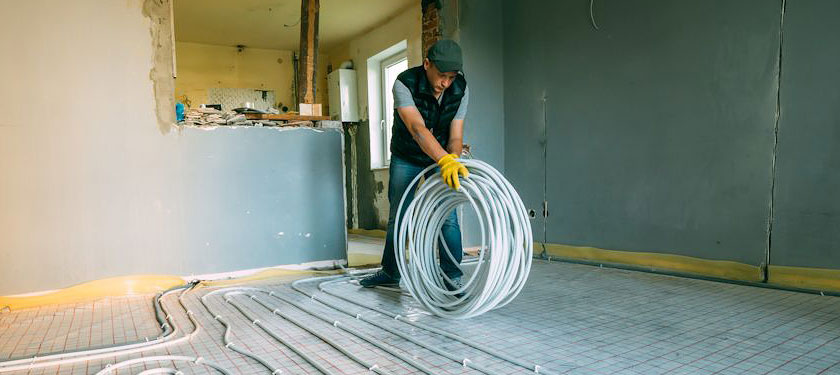
Geothermal heating works by moving temperature-conducting fluid through an underground loop of pipes beneath or near your home. This allows the fluid to collect the thermal energy deposited in the earth from the sun. This works well even in the coldest winters because the earth below the frostline is a steady 55 degrees Fahrenheit all year long. The heat is circulated back into the pump and then distributed evenly throughout your home using your duct work. "But how does the same geothermal heat pump that heats your home in the winter also produce AC for the summer?"
Essentially, the heat transfer process works in reverse. Here’s the short explanation: As air is circulated through your house, your heat pump removes heat from the air and transfers it to the fluid that circulates to the ground. As the ground is at a lower temperature (55F), heat dissipates from the fluid to the ground. The experience of cold air blowing into your home is the result of the process of removing heat from the circulated air, transferring that heat to the ground, and returning cool air back to your home.
Checking & Maintenance
When it comes to efficiency, geothermal AC beats conventional central AC by far. Your geothermal heat pump isn’t wasting electricity trying to pump indoor hot air into the already-hot outdoors; instead, it’s easily releasing heat into the cool underground.
As you can imagine, your geothermal heat pump will always be effective and efficient at cooling your home, even in the hottest summers. Installing a geothermal air conditioner can reduce your electricity use by 25 to 50 percent! Taking advantage of geothermal cooling is a great way to avoid those painful spikes in your utilities bills over the upcoming hot summer months.